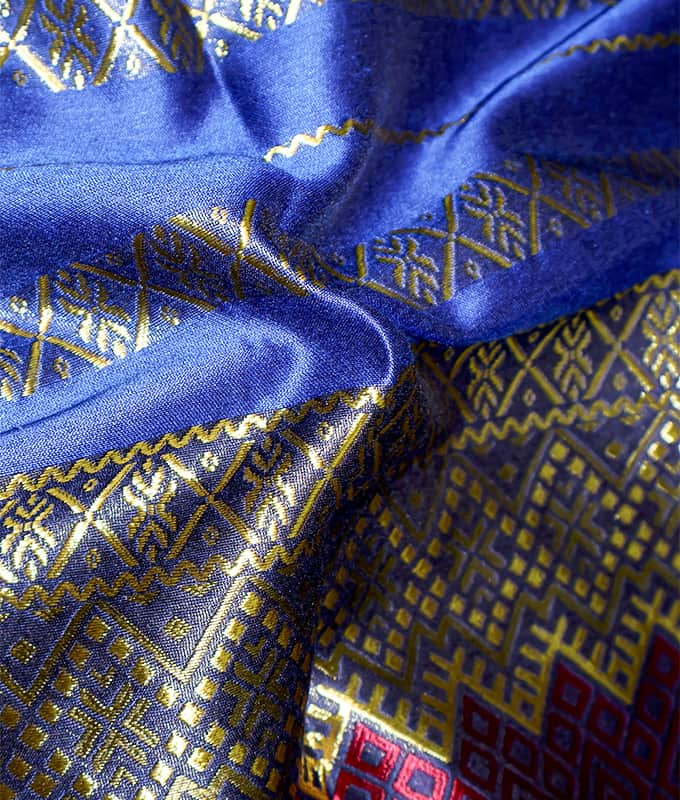
Tessuto Sarong colorato del sud-est asiatico 100% poliestere con motivo jacquard: resistente, vivace e di facile manutenzione, progettato per confe...
See Details


Guida nazionale ai tessuti sarong tradizionali del sud-est asiatico
Novità del settore-Il “ tessuto sarong tradizionale nazionale " in tutto il Sud-Est asiatico è meglio inteso come una famiglia di tessuti avvolgenti -più comunemente panni lunghi come parei realizzati con tecniche esclusive come batik , ikat , e canzonetta , each tied to specific countries, ceremonies, and weaving communities. Indonesian batik, fo example, is formally recognized by UNESCO as intangible cultural heritage (inscribed in 2009). :contentReference[oaicite:0]{index=0}
Ciò che conta come “tessuto pareo” nel sud-est asiatico
In Southeast Asia, “sarong” can mean either a tubular garment or a rectangular cloth wrapped and secured at the waist. The fabric is often decorated using batik or ikat methods, or woven as brocade-like luxury cloth (canzonetta). :contentReference[oaicite:1]{index=1}
Taglie pratiche che vedrai effettivamente nei negozi
Le taglie variano in base al paese e allo stile dell'indumento, ma questi riferimenti nel mondo reale ti aiutano ad acquistare correttamente:
- Longyi del Myanmar: lungo circa 2 m e largo 80 cm , commonly sewn into a cylinder. :contentReference[oaicite:2]{index=2}
- Sampot chang kben cambogiano (un drappo avvolto, simile a un pantalone): citato come un panno rettangolare circa 3 m di lunghezza e 1 m di larghezza . :contentReference[oaicite:3]{index=3}
- Malong delle Filippine meridionali: descritto come lungo circa 4 metri e alto circa 50 pollici (often tubular). :contentReference[oaicite:4]{index=4}
I tre capisaldi dei “tessuti sarong tradizionali nazionali”
Se desideri un abbinamento sicuro e culturalmente radicato con il "tessuto sarong tradizionale nazionale del Sud-Est asiatico", queste sono le tre tecniche che incontrerai più spesso nei paesi e nei contesti di abbigliamento formale.
| Tessuto/tecnica | Come è fatto | Spunto visivo | Miglior caso d'uso |
|---|---|---|---|
| Batik | Tintura resistente alla cera su stoffa; simbolismo del motivo profondo | Bordi con motivi nitidi; ripetere schemi simbolici | Abbigliamento quotidiano per cerimonie; iconico in Indonesia |
| Ikat | Tintura resistente sui filati prima della tessitura | Bordi morbidi con motivo "sfocato" o sfumato | Panni avvolgenti durevoli; patrimonio culturale in tutta la regione |
| Canzone | Tessuto a mano con trama supplementare utilizzando fili metallici | Motivi scintillanti oro/argento (effetto broccato) | Matrimoni, occasioni ufficiali, abiti formali (mondo malese) |
Indonesian batik is internationally recognized by UNESCO for its techniques, symbolism, and cultural role (inscribed in 2009). :contentReference[oaicite:5]{index=5} Ikat is widely described as a Southeast Asian-origin resist-dye method applied to yarns prior to weaving, producing its characteristic softened pattern boundaries. :contentReference[oaicite:6]{index=6} Songket is consistently defined as a handwoven textile with gold or silver threads, historically spread across the Malay world (including Indonesia, Malaysia, Brunei). :contentReference[oaicite:7]{index=7}
Come identificare il tessuto pareo autentico rispetto alle stampe turistiche
Non è necessario essere un esperto di tessuti: utilizza alcuni controlli ad alto segnale che si associano direttamente al modo in cui sono realizzati questi tessuti.
Batik: cerca le “impronte digitali” del processo, non solo i motivi
- If a piece is marketed as heritage batik but the pattern looks perfectly uniform on both sides with no dye-depth variation, it may be a surface print rather than a resist-dyed cloth (batik is defined by technique and cultural practice, not just visual style). :contentReference[oaicite:8]{index=8}
- Ask for the technique: sellers who can describe wax-resist steps and motif meaning usually deal in higher-integrity work, consistent with UNESCO’s framing of batik as technique symbolism culture. :contentReference[oaicite:9]{index=9}
Ikat: lo “sfocato” è una caratteristica, non un difetto
Ikat’s hallmark is that yarns are resist-dyed before weaving, so the pattern alignment naturally creates slightly feathered edges; a perfectly sharp, pixel-like ikat motif can indicate digital printing. :contentReference[oaicite:10]{index=10}
Songket: conferma la tessitura del filo metallico, non l'inchiostro metallico
Songket is described as a handwoven fabric where metallic threads are inserted as supplementary weft, producing a true raised shimmer. If the shine disappears when you tilt it and the surface feels flat like ink, treat “canzonetta” as a marketing label rather than a weaving structure. :contentReference[oaicite:11]{index=11}
Esempi specifici per paese che corrispondono all’uso “tradizionale nazionale”.
Il Sud-Est asiatico è vario, ma alcuni abbinamenti sono particolarmente stabili se si desiderano esempi di "tessuti sarong tradizionali nazionali" per viaggi, regali o abbigliamento culturale.
- Indonesia: Batik is a nationally emblematic textile tradition recognized by UNESCO (2009). :contentReference[oaicite:12]{index=12}
- Myanmar: Il longyi (un involucro simile a un sarong) è ampiamente indossato; il dimensionamento di riferimento comune è ~2 mx80 cm . :contentReference[oaicite:13]{index=13}
- Mondo malese (Malesia / Brunei / parti dell'Indonesia): Songket is a signature ceremonial fabric woven with gold or silver threads. :contentReference[oaicite:14]{index=14}
- Cambogia: I tradizionali sistemi di stoffa drappeggiata includono forme sampot; un esempio documentato è un panno rettangolare ~3 m di lunghezza e 1 m di larghezza for sampot chang kben. :contentReference[oaicite:15]{index=15}
- Filippine meridionali: Il malong è un indumento tubolare; una dimensione di riferimento è ~4 metri di lunghezza e ~50 pollici di altezza . :contentReference[oaicite:16]{index=16}
Lista di controllo per l'acquisto: scegli il tessuto giusto per il calore, la cerimonia e il budget
Usalo come strumento decisionale pratico quando fai acquisti nei mercati o nelle inserzioni online.
Se hai bisogno di un pareo per tutti i giorni
- Scegli cotone traspirante o misto cotone; dare la priorità a una larghezza/lunghezza confortevole vicina alle norme regionali (ad esempio, riferimenti longyi intorno 2×80 cm ). :contentReference[oaicite:17]{index=17}
- For ikat, accept minor pattern “softness” as normal for yarn-resist weaving. :contentReference[oaicite:18]{index=18}
Se hai bisogno di un tessuto cerimoniale/formale
- Scegli canzonetta when you want visible prestige—its defining feature is supplementary weft metallic threads (gold/silver). :contentReference[oaicite:19]{index=19}
- Scegli culturally grounded batik when motif meaning matters; UNESCO specifically frames batik as technique symbolism embedded in life events. :contentReference[oaicite:20]{index=20}
Domande rapide e di qualità da porre a un venditore
- Is it wax-resist dyed (batik), yarn-resist woven (ikat), or metallic-thread woven (songket)? :contentReference[oaicite:21]{index=21}
- Qual è la dimensione esatta in cm o metri (non fare affidamento su “taglia unica”)? Usa riferimenti come ~2 mx80 cm for longyi-type wraps. :contentReference[oaicite:22]{index=22}
- What fiber is it (cotton vs silk)? Songket is commonly described as silk or cotton with metallic threads. :contentReference[oaicite:23]{index=23}
Cura e conservazione: mantieni il tradizionale tessuto sarong indossabile per anni
Traditional sarong fabric longevity depends on matching care to construction—especially for dyed surfaces (batik), yarn-dyed weaves (ikat), and metallic-thread structures (songket). :contentReference[oaicite:24]{index=24}
- For batik: avoid harsh detergents and prolonged direct sun; batik is defined by hand-applied resist and dyed cloth culture, so treat it as a dyed textile, not a “printed towel.” :contentReference[oaicite:25]{index=25}
- For ikat: hand-washing reduces abrasion on yarn-dyed patterning created before weaving. :contentReference[oaicite:26]{index=26}
- For songket: store folded with soft tissue or cloth layers to reduce snag risk on metallic threads inserted during weaving. :contentReference[oaicite:27]{index=27}
In conclusione: la migliore scelta di “tessuto pareo tradizionale nazionale”.
Se hai bisogno di una risposta ad alta credibilità: scegli il batik indonesiano come riferimento per il tessuto sarong tradizionale nazionale più ampiamente riconosciuto (iscritto dall'UNESCO nel 2009) e scegli canzonetta or ikat when your goal is respectively formal prestige or heritage weaving identity across Southeast Asia. :contentReference[oaicite:28]{index=28}
Relativo prodotti
-
-
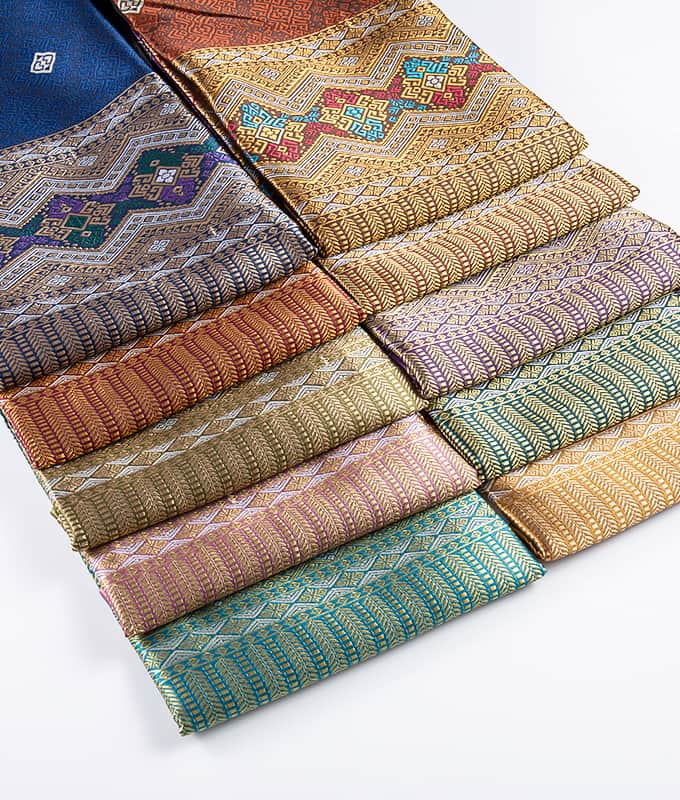
Il tessuto in poliestere per la tradizionale gonna sarong del sud-est asiatico unisce tradizione e modernità. Radicato nelle tradizioni culturali, ...
See Details -
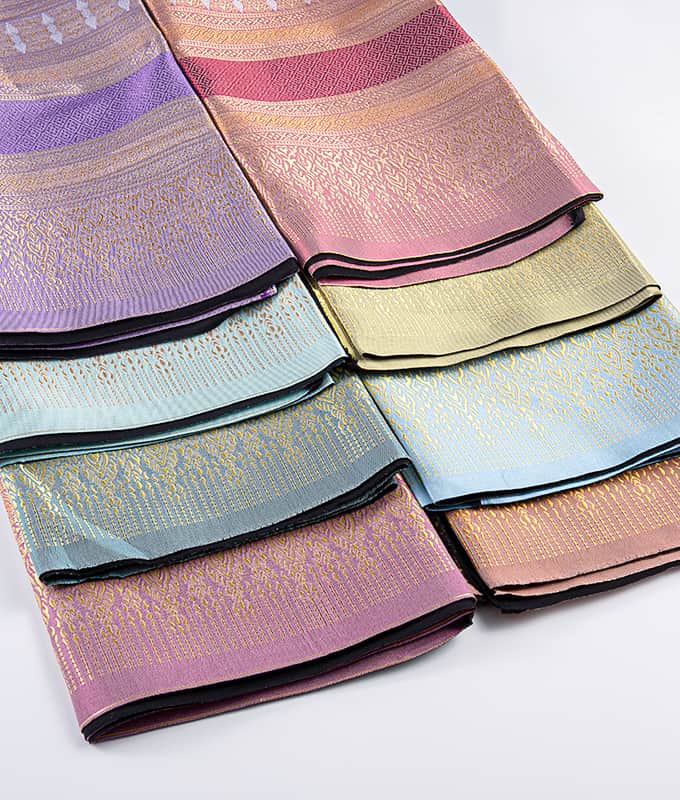
Il tessuto in poliestere per il popolare sarong tailandese tradizionale è realizzato con filamenti di poliestere accuratamente selezionati, con un ...
See Details -
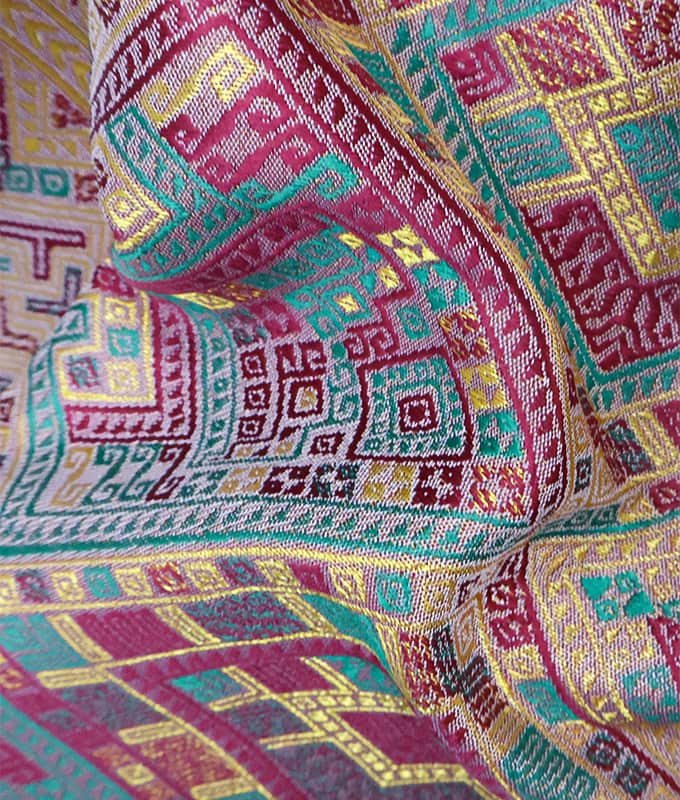
Tessuto jacquard in poliestere simile alla seta per Thai Pha Sinh Sarong: combina l'eleganza della trama simile alla seta con la lavorazione j...
See Details -
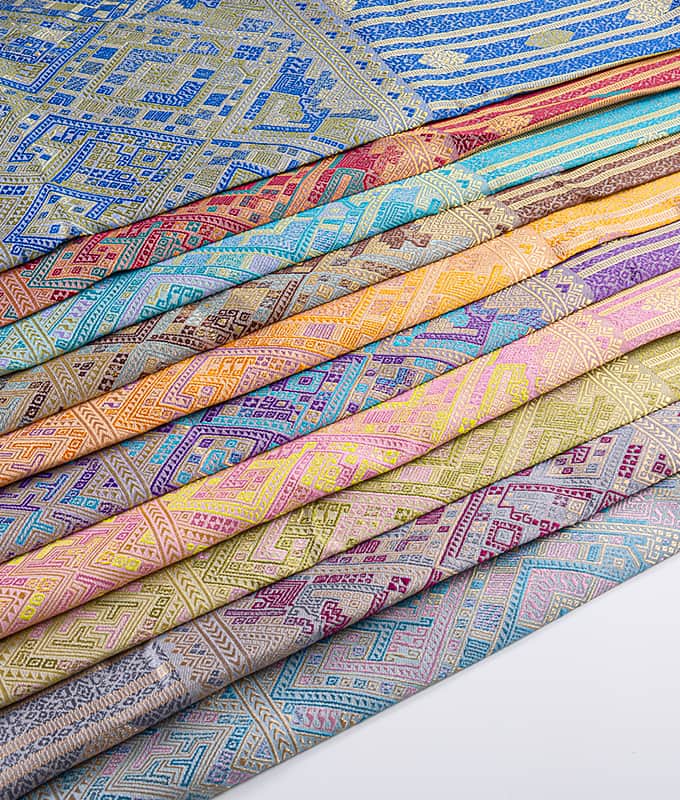
Tessuto jacquard in poliestere cavo per il tradizionale sarong laotiano: una perfetta fusione tra il patrimonio culturale laotiano e l'innovaz...
See Details -
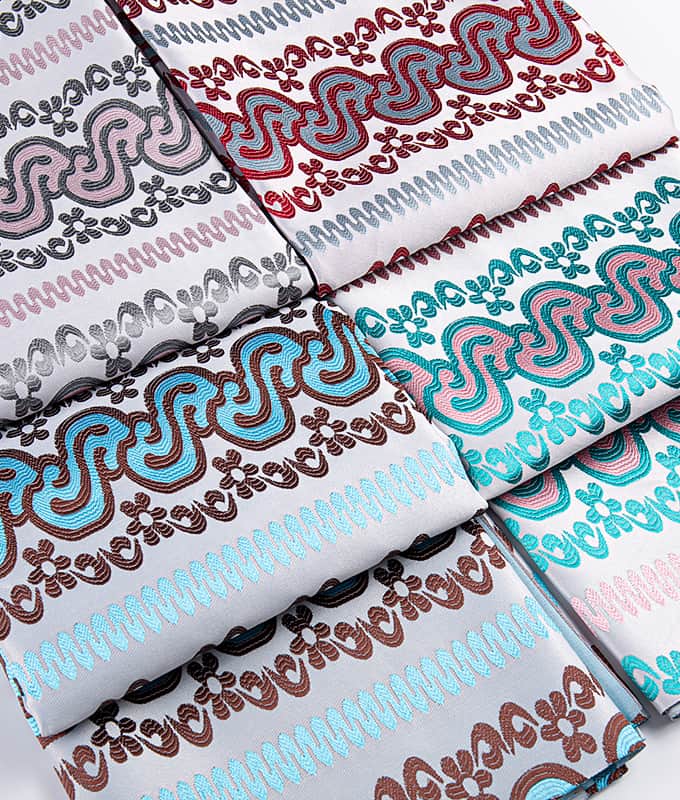
Il tessuto jacquard in poliestere strutturato 3D a forma di S per Sarong combina eleganza e durata. Realizzato con l'avanzata tecnologia jacqu...
See Details

